Contents
You’re definitely not alone. With crypto headlines dominating the financial world and platforms like Coinbase, Binance, and Kraken making it easier than ever to buy coins with a few taps, the temptation is real. But before you click “buy,” there’s one question that stops many H-1B holders in their tracks: Is it legal for me to invest or trade crypto while on this visa?
Let’s get something straight: owning crypto isn’t the issue. You can buy and hold Bitcoin, Ethereum, or Solana on an H-1B. The problem starts when your crypto activity crosses into something USCIS might view as “unauthorized work” — like day trading, mining, or getting paid in crypto for side gigs. Immigration law isn’t always clear, and it certainly doesn’t move as fast as the blockchain.
This guide is your compass in the crypto jungle. We’ll walk through the 2025 rules and distinctions between passive vs. active income, explore what’s allowed, what’s risky, and how to protect both your digital assets and your immigration status. Whether you’re just curious or already holding tokens, knowing the rules will save you a lot of stress (and potentially your visa).
So, can H-1B holders legally invest in crypto? Yes — but you need to know how to do it right.

If you’re on an H-1B visa, the first thing to understand is this:
you’re here to work for a specific employer, in a specific job, under specific terms. That’s the entire legal framework of the visa. It’s not designed to give you the flexibility of freelancing, running a side hustle, or actively managing investments for income. And yep — that includes crypto trading in many cases.
Now, here’s where it gets tricky. You might think, “But I’m just trading a little crypto on the side. That’s not a job!” Maybe not in your mind — but in the eyes of U.S. immigration, if you’re engaging in any activity that could be construed as self-employment, independent contracting, or unauthorized income, that’s a red flag.
Here’s a simple breakdown of what’s generally allowed vs. what can get you in trouble:
✅ Typically Allowed (Passive):
❌ Risky or Not Allowed (Active):
Here’s a key point most people miss: just because something is legal under IRS tax law doesn’t mean it’s permitted under USCIS immigration law. The IRS might be totally fine with you paying capital gains on your crypto income — but USCIS might consider the activity that generated that income as unauthorized work.
To make matters worse, immigration laws weren’t built with crypto in mind. That means there’s a lot of gray area — and guess who usually pays the price for stepping into the gray? That’s right: visa holders.
Your safest bet is this: if it feels like “work,” avoid it. Stick to passive strategies, document everything, and don’t advertise your activities online. It’s not worth jeopardizing your visa over a few coins.
In the next section, we’ll dig into exactly how you can invest passively in crypto without crossing any lines.
Short answer? Yes. Buying and holding crypto — commonly referred to as HODLing — is perfectly legal for H-1B visa holders. You can create an account on an exchange like Coinbase or Kraken, fund it with your personal savings, and purchase Bitcoin, Ethereum, or whatever token you believe in. No immigration red flags there. 🎯
That’s because buying and holding is considered a passive investment — just like owning stock in a company or keeping money in a high-yield savings account. You’re not providing a service, managing a business, or performing unauthorized work. You’re simply letting your assets sit and (hopefully) grow in value over time.
But wait — there’s nuance.
Let’s say you buy $2,000 of Bitcoin and sell it two years later for $4,000. That profit? It’s a capital gain — and you’ll need to report it to the IRS. So yes, it’s taxable. But as far as immigration is concerned, that’s not “employment,” so you’re in the clear.
Here’s where it can get dicey:
…you might accidentally shift from investor to trader, and that’s a big no-no under USCIS rules.
A good rule of thumb? If you’re spending hours each week managing trades or timing the market, you’re not “passively holding” anymore — even if you’re not calling it a job. And that’s where things start to blur.
Also, keep in mind:
In short: buy-and-hold investing is okay. Just don’t let it evolve into a side hustle. That’s where you risk everything — your money and your legal status.
Coming up: Let’s get into the difference between active trading and passive investment, because that’s the line you really don’t want to cross.
Here’s the next section, written in a natural, second-person voice with emotional flow and SEO-friendly phrasing:
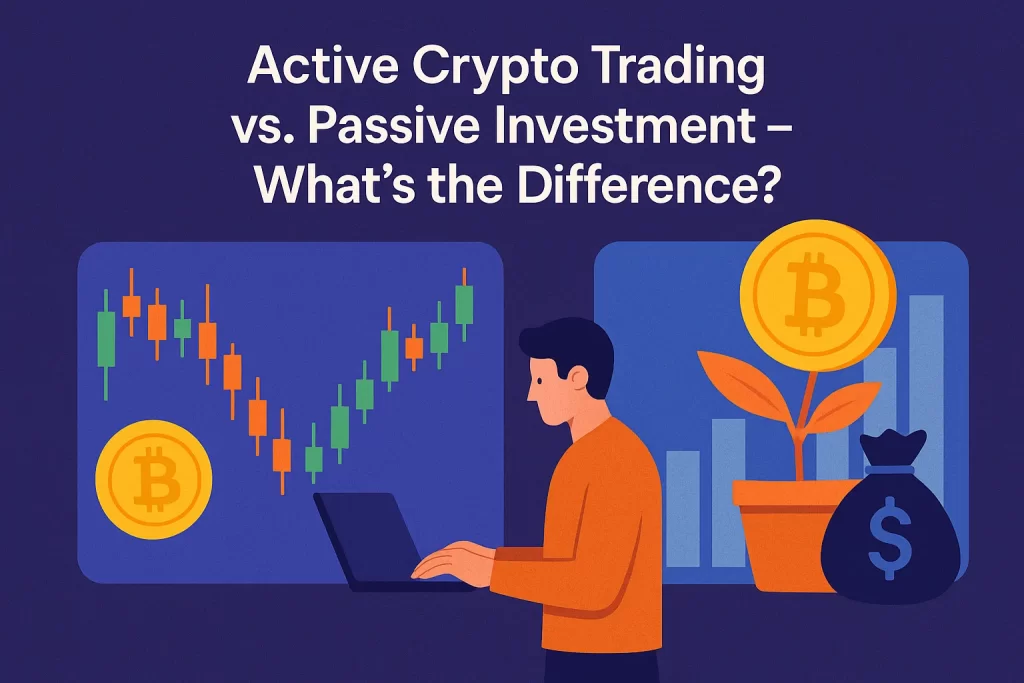
Ah, the blurry line between trading and investing. If you’re on an H-1B visa, this distinction is everything.
See, holding onto your crypto like a squirrel with acorns? That’s passive. But if you’re glued to your phone checking charts, hopping between altcoins, or setting up trading bots on Binance — that’s active. And active trading, my friend, could trigger unauthorized work concerns with USCIS.
Let’s simplify it:
Passive investment means:
Active trading, on the other hand:
One immigration lawyer put it this way: “If it feels like a side hustle, it probably is.” And unfortunately, the USCIS doesn’t care if you’re doing it from your couch — what they care about is whether you’re generating income outside of your approved job.
Even worse? You won’t find clear-cut rules in immigration law about crypto. It’s all about interpretation. And if a USCIS officer thinks your trading is substantial enough to count as a business or freelance activity, your visa could be at risk. Yep — even if you’re just doing it on weekends “for fun.”
What to avoid if you want to stay compliant:
Bottom line? Stick to passive strategies. Think: buy-and-hold, maybe earn a little staking interest (we’ll talk about that next). But don’t turn into a full-blown crypto cowboy. 🧑🌾🪙
Ready to dive into staking, mining, and yield farming? That’s where things get even murkier.
Okay, let’s talk about the stuff that sounds cool but gets messy fast on an H-1B visa: mining, staking, and yield farming. If you’ve been eyeing those juicy APYs or thinking of setting up a mining rig in your garage, pause for a sec. This is where crypto turns from passive investment to possible immigration hazard.
Let’s break it down:
At first glance, mining sounds like a techy side hobby. You set up your GPU, join a pool, and let it run, right? But here’s the issue — mining creates income through work
In immigration terms, that’s no different than freelancing or working a second job.
Unless you’ve got explicit USCIS authorization to engage in mining (you don’t), it’s best to steer clear.
Now, staking — that’s trickier. Some platforms (like Coinbase or Binance) offer “hands-off” staking, where you just lock up your tokens and earn rewards. That feels passive, right?
If you’re going to stake, stick to platforms that handle the process for you — and make sure it’s non-custodial, non-technical, and auto-managed. Even then, it’s a gray zone. Always document what you’re doing and consider getting legal advice.
And immigration officers? They’re not crypto-savvy. If they see large, irregular earnings and complex wallet activity, it could raise questions you don’t want to answer during a visa renewal.
Bottom line?
Coming up next — we’ll talk about how to stay compliant with USCIS while still making the most of crypto opportunities.
Let’s face it — navigating crypto while on an H-1B visa is like walking a tightrope in a storm. One misstep, and you could risk more than just a tax audit — we’re talking visa denials, status violations, even deportation risks. But don’t panic. There are ways to enjoy crypto safely and stay fully compliant with immigration regulations.
Here’s your blueprint for peace of mind:
Only invest in crypto using your own money — earned legally from your H-1B-sponsored job. Buy and hold. That’s your safest play. If you earn from long-term capital gains or interest generated passively, you’re in a much better position than someone actively trading.
Avoid activities that even resemble work:
Keep a detailed record of:
Why? Because if USCIS ever reviews your activity — especially during visa renewal, H-1B extension, or green card adjustment — you’ll need to prove that you weren’t working “outside status.”
Make sure you:
If you’re unsure? Hire a tax advisor who understands crypto and non-resident tax rules. A few hundred bucks could save you thousands (and your status).
It might sound silly, but even tweeting about your crypto wins or running a Discord group with affiliate links can look like “business activity.” If USCIS sees you offering services — even unpaid ones — that promote a commercial presence, it could be an issue.
Pro tip: Treat your crypto like a quiet long-term investment. Don’t flaunt it. Don’t try to monetize it. Just let it grow in the background.
Next up: we’ll look at real-life stories and expert warnings from H-1B holders and immigration lawyers who’ve been in your shoes — and made some costly mistakes.
You might think, “It won’t happen to me.” But let’s be real — USCIS doesn’t play games, especially when it comes to H-1B compliance. Over the past few years, several H-1B holders have found themselves in hot water just for dabbling in crypto the wrong way. And unfortunately, the internet is full of cautionary tales.
Priya, a software engineer from India working at a big tech firm in Seattle, started day trading crypto during the 2021 bull run. Nothing crazy — just buying dips, taking profits, even using a bot or two. But when she applied for her green card, her crypto profits showed up on her tax returns. During her adjustment of status interview, the officer asked about the “business income.”
That triggered a Request for Evidence (RFE), and she had to prove that none of it constituted unauthorized employment. It delayed her process by over a year, and she spent nearly $4,000 in legal fees just to clarify something she thought was harmless.
According to multiple attorneys on forums like Avvo, Reddit’s r/immigration, and Murthy Law, the safest route is: no active income generation outside your H-1B job — crypto included.
One lawyer put it bluntly:
“If it looks like a side hustle, smells like a side hustle, or makes more money than your actual job… USCIS will treat it like unauthorized work.”
Even if the IRS is cool with you filing taxes on staking rewards or capital gains, that doesn’t mean USCIS sees it the same way. It’s two completely different frameworks.
A popular Reddit thread from a panicked H-1B holder in Texas revealed that his H-1B renewal was denied because he had set up an LLC to “manage crypto funds.” He didn’t even make a profit — but the act of registering a business and listing himself as the operator was enough to tank his case.
No intent to deceive. No massive profits. Just misunderstanding the rules.
So, moral of the story? When in doubt, assume the most conservative interpretation. Immigration is not the place to test legal gray areas.
Coming up next: actionable tips to help you safely invest in crypto without triggering red flags.
Crypto is exciting. It’s dynamic, it’s innovative — and yes, it can be profitable. But if you’re on an H-1B visa, you can’t afford to treat it like a casual side hustle. The stakes are simply too high. One wrong move could cost you your visa, your job, or your future in the U.S.
The good news? You can invest. You can hold. You can grow your wealth — as long as you follow the rules.
Here’s what to remember:
Crypto shouldn’t feel like a legal gamble. It should be a smart, well-managed part of your financial life. So invest wisely, stay compliant, and remember: your visa comes first.
Want to keep learning? Bookmark this page, share it with fellow H-1B holders, and if you’ve had experience investing in crypto while on a visa — drop your story in the comments.
Your future’s too important to bet on luck. 🛡️
🔐 Best Platforms for Passive Crypto Investing (U.S. Based & Regulated)


