Author: Hasan Abdullah, Esq.
When a green card applicant or permanent resident is detained at a U.S. airport, it can be stressful and confusing. Sometimes, the issue is routine secondary inspection. CBP may simply need to verify documents, review travel history, or ask additional questions before allowing the traveler to enter.
But in some cases, airport questioning can become more serious. CBP may ask about a long trip outside the United States, possible abandonment of permanent residence, criminal history, prior immigration problems, or travel with advance parole while a green card case is still pending.
A green card holder is not in the same position as someone with a pending green card application. A routine document check is also different from being asked to sign paperwork, attend deferred inspection, or appear in immigration court.
This article explains why a green card applicant or green card holder may be detained at the airport, what CBP may be reviewing, and when it may be important to speak with an immigration attorney before taking the next step.
Being “detained at the airport” can mean different things. Sometimes, it simply means the traveler was sent to secondary inspection, where CBP takes extra time to review documents, ask questions, or check government records. That can be stressful, but it does not always mean the person is being deported or that their green card case is in danger.
In other situations, the issue may be more serious. CBP may be questioning whether a lawful permanent resident has abandoned U.S. residence after a long trip abroad, whether a pending green card applicant has a problem with advance parole, or whether there are criminal, immigration, or document concerns that need closer review.
A practical way to understand it is this:
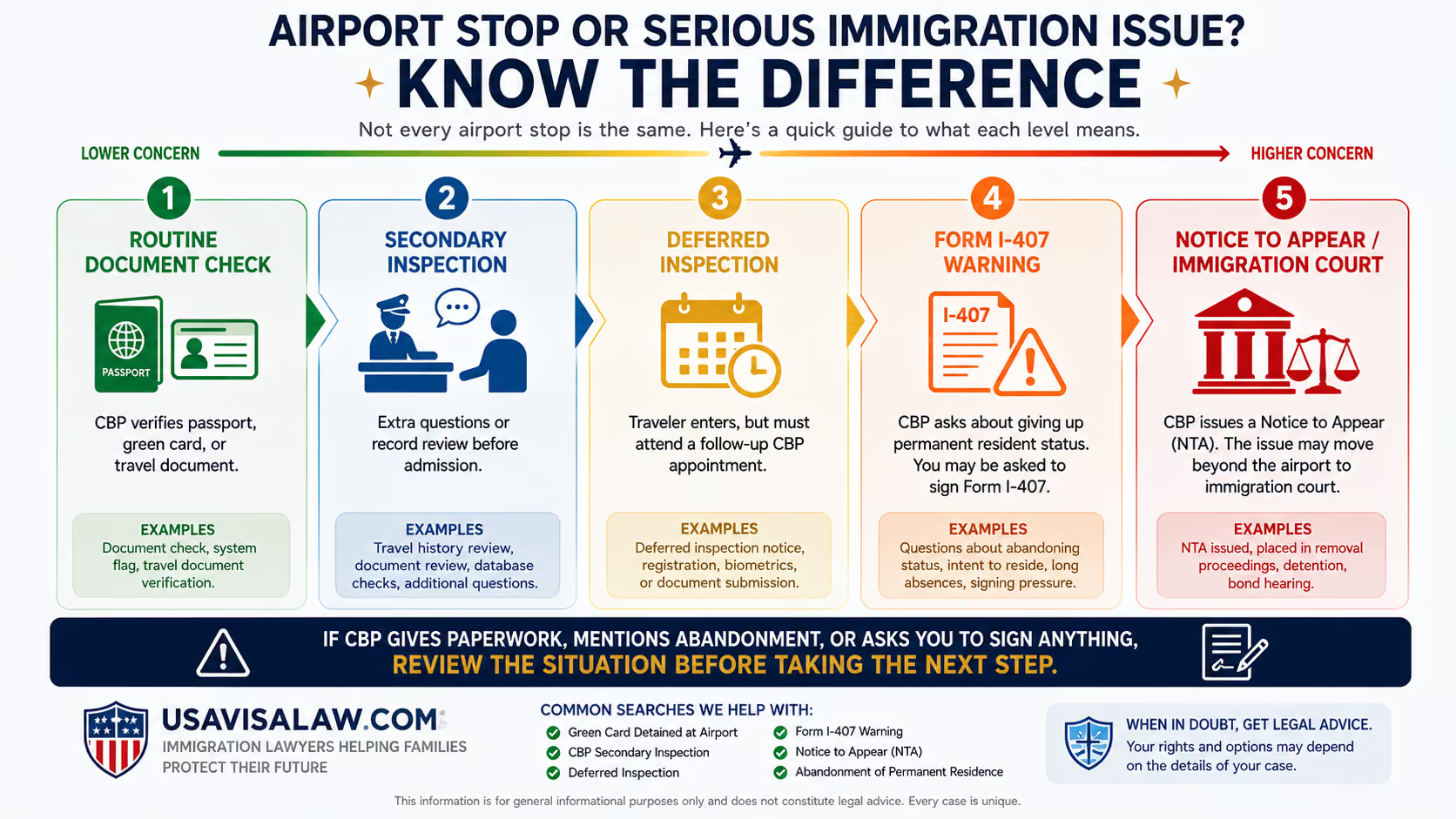
Secondary inspection is extra review. Airport detention may involve longer questioning or holding. Deferred inspection means CBP allows the person to enter but requires follow-up later. A Notice to Appear means the case may be referred to immigration court.
For families waiting outside the airport, the most important thing is to avoid jumping to conclusions. A delay of one or two hours may be a document check. But if CBP asks the traveler to sign paperwork, mentions abandonment of permanent residence, issues deferred inspection instructions, or gives a Notice to Appear, the situation should be taken seriously.
CBP explains that secondary inspection is used to conduct further assessment and resolve the reason for a referral. CBP also reports that a small percentage of travelers are referred to secondary inspection each year, which means secondary inspection itself is not unusual.
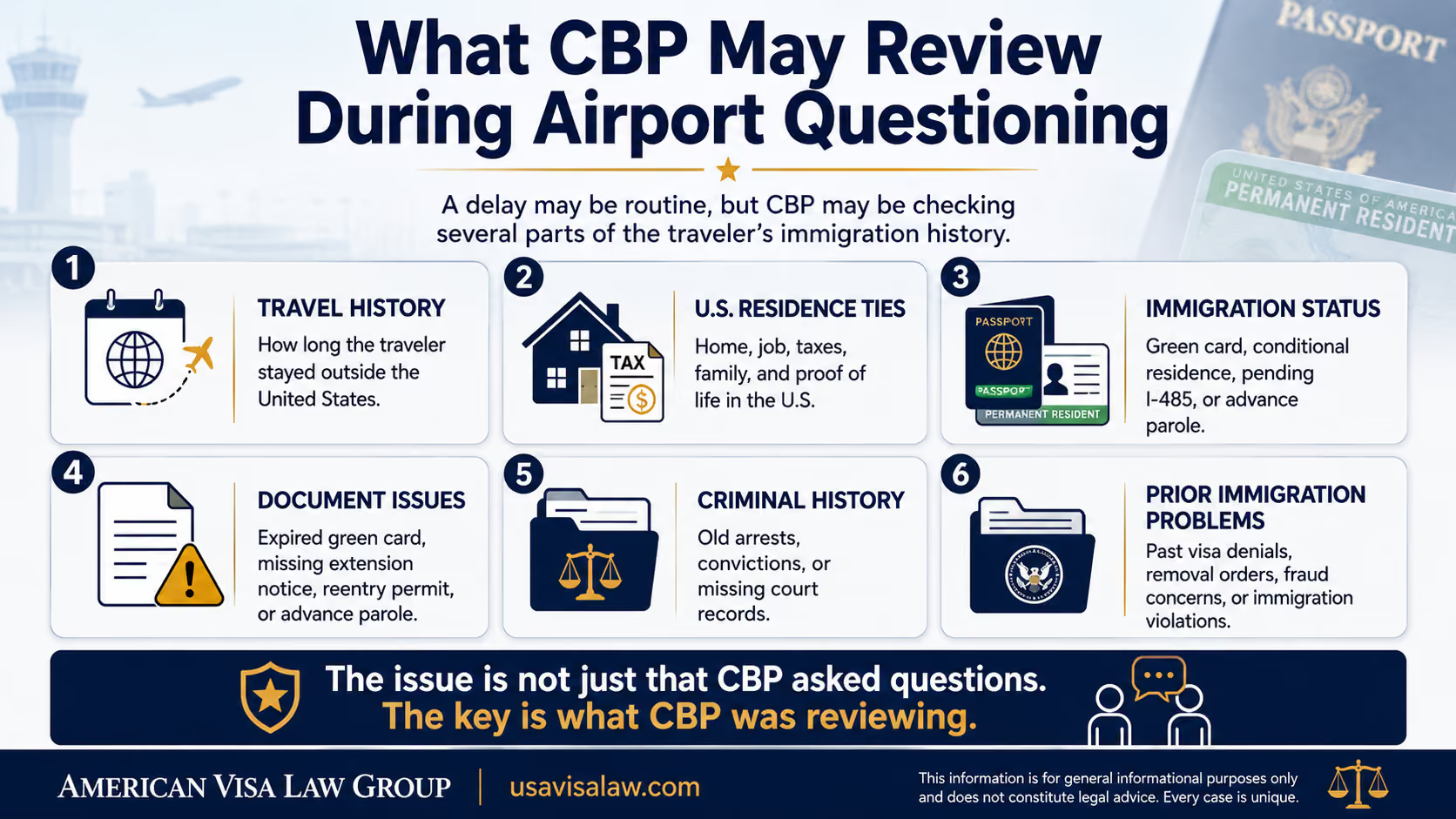
The key question is not only “Why are they being held?” The better question is: what exactly is CBP reviewing? The answer may depend on the traveler’s immigration status, travel history, documents, prior records, and statements at the port of entry.
Before assuming that airport questioning means the worst, it helps to understand what CBP’s action actually means. The difference between secondary inspection, deferred inspection, Form I-407, and a Notice to Appear can change how seriously the situation should be treated.
Airport questioning can range from a routine document check to a more serious immigration issue. The severity ladder below shows how these situations may differ.
Not everyone stopped at the airport has the same immigration status. That difference matters.
A green card holder is already a lawful permanent resident. They may still be questioned at the airport, especially after a long trip outside the United States, but they are generally returning with permanent resident status.
A green card applicant may still have a pending case. For example, someone with a pending Form I-485 adjustment of status application may travel with advance parole. That person is not yet a permanent resident, and CBP may review whether they can be allowed back into the United States.
This distinction is important because the risks are different.
For a green card holder, CBP may focus on whether the person still truly lives in the United States. Long absences, no U.S. address, no U.S. job, or weak ties to the United States can raise questions about whether the person abandoned permanent residence.
For a pending green card applicant, CBP may focus more on the person’s travel document, pending case, prior immigration history, and whether there are any inadmissibility concerns.
Conditional green card holders can also face airport questions if their card is expired or close to expiring. In that situation, they may need to show the proper extension notice or other proof that their status remains valid while a Form I-751 case is pending.
So before assuming the worst, identify the person’s exact status:
The answer changes what the family should do next.
A green card holder may be sent to secondary inspection for many reasons. Sometimes the issue is simple, such as a document check or a system alert. Other times, CBP may want to ask more detailed questions about the person’s travel history, residence, or background.
One common reason is a long trip outside the United States. If a permanent resident has been outside the country for several months, CBP may ask where they live, where they work, whether they file U.S. taxes, and why they stayed abroad for so long. The concern is whether the person still treats the United States as their permanent home.
Another issue is possible abandonment of permanent residence. This can come up when someone spends most of their time abroad, has no clear U.S. address, works outside the United States, or has weak ties to the U.S. A single long trip does not automatically mean abandonment, but it can lead to more questions.
CBP may also send someone to secondary inspection because of criminal history or prior immigration issues. Even an old arrest, prior visa denial, removal order, or fraud concern can lead to additional questioning at the airport.
Document problems can also cause delays. Examples include an expired green card, a missing reentry permit, a pending Form I-751 with no extension notice, a damaged passport, or name differences between documents.
The main point is simple: secondary inspection is not always a crisis, but it should not be ignored. The reason for the referral matters more than the delay itself.
CBP may question a green card holder at the airport, but this does not automatically mean the person loses permanent resident status.
A green card is proof of lawful permanent resident status. If CBP believes there is a serious problem, such as abandonment of residence, criminal history, or immigration fraud concerns, the officer may ask more questions or issue paperwork. In some cases, CBP may ask the traveler to sign Form I-407, which is used when someone voluntarily gives up lawful permanent resident status.
This is serious. A traveler should not sign a document they do not understand, especially if it involves giving up a green card.
If CBP believes the person abandoned permanent residence but the traveler disagrees, the issue may need to be reviewed further. In some situations, the person may be allowed to enter and later appear for follow-up. In more serious cases, the matter may be referred to immigration court.
The key point is this: airport questioning is not the same as a final legal decision. But signing the wrong document or giving unclear answers can create bigger problems. If CBP mentions abandonment, Form I-407, or immigration court, it is usually a good idea to speak with an immigration attorney as soon as possible.
Deferred inspection means CBP is allowing the traveler to enter the United States for now, but wants them to return later with more information or documents.
This can happen when CBP cannot fully resolve the issue at the airport. For example, the officer may need to review missing documents, confirm immigration history, check criminal records, or look more closely at whether the person still qualifies to enter.
Deferred inspection is not the same as being denied entry. But it is also not something to ignore.
If CBP gives a traveler a deferred inspection notice, the traveler should read it carefully and follow the instructions. The notice may include a date, location, and list of documents to bring. Missing that appointment or showing up unprepared can make the situation worse.
Useful documents may include a passport, green card, reentry permit, I-751 extension notice, USCIS receipts, court records, tax returns, proof of U.S. residence, employment records, or travel history.
The safest approach is to understand exactly what CBP is questioning before the appointment. If the issue involves abandonment of residence, criminal history, prior immigration violations, or unclear travel documents, legal review before deferred inspection may be important.
A green card applicant is different from someone who already has a green card.
Many green card applicants travel using advance parole while their Form I-485 adjustment of status case is still pending. Advance parole can allow the person to return to the United States after travel, but it does not mean CBP will skip inspection or automatically allow entry without questions.
At the airport, CBP may still review the traveler’s documents, immigration history, and whether there are any concerns that affect their ability to return. This can be especially important if the person has prior overstays, unauthorized work, criminal history, a prior removal order, or any possible fraud or misrepresentation issue.
For some applicants, traveling with advance parole is routine. For others, travel can be risky if there are unresolved issues in the case.
If a green card applicant is held at the airport while using advance parole, the family should try to find out:
The main point is that advance parole is a travel document, not a green card. If the applicant already had immigration complications before traveling, airport questioning should be taken seriously.
If a family member is stopped at the airport, the first step is to stay calm and gather facts. It is natural to feel scared, but guessing what is happening can make the situation more confusing.
Start by confirming where the traveler is and what CBP has said. A short delay may only be secondary inspection. A longer delay, a request to sign documents, or a notice for follow-up may mean the issue needs closer attention.
Try to find out basic details, such as:
Families should also gather important documents quickly. This may include a copy of the traveler’s green card, passport, reentry permit, advance parole document, USCIS receipt notices, I-751 extension notice, travel history, tax records, proof of U.S. address, employment records, or court records if there is any criminal history.
Do not send random documents without knowing what CBP is questioning. The better approach is to understand the issue first, then organize the documents that actually respond to that concern.
If CBP asks the traveler to sign anything, especially paperwork about giving up permanent residence, the traveler should understand what the document means before signing. If CBP issues deferred inspection instructions or a Notice to Appear, the family should not ignore it.
In serious situations, speaking with an immigration attorney can help the family understand what happened, what documents matter, and what the next step should be.
Some airport delays are routine. Others may point to a more serious immigration concern.
One major red flag is a long absence from the United States. If a green card holder spent many months, or more than a year, outside the U.S., CBP may ask whether they still live in the United States or whether they may have abandoned permanent residence.
Another concern is having weak ties to the United States. For example, CBP may ask questions if the traveler has no U.S. home, no U.S. job, no recent tax filings, or most of their family and work life appears to be outside the country.
Criminal history can also create problems at the airport. Even old arrests or convictions may lead to more questioning, especially if the traveler does not have certified court records or does not understand how the case ended.
Prior immigration issues may also come up. This can include past visa denials, prior removal orders, misrepresentation concerns, or old immigration violations that appear in government records.
Repeated long trips abroad can also raise questions. One long trip may be explainable. But a pattern of spending more time outside the United States than inside the United States can make CBP question whether the person truly maintained U.S. residence.
The most serious warning signs are when CBP mentions abandonment, asks the traveler to sign Form I-407, issues deferred inspection, or gives a Notice to Appear for immigration court. Those situations should be reviewed carefully before the traveler assumes the issue is resolved.
If CBP questions a green card holder at the airport, the traveler should stay calm and answer carefully. The goal is not to argue with the officer or guess what CBP wants to hear. The goal is to be truthful, clear, and careful.
The first mistake to avoid is lying or guessing. If the traveler does not remember an exact date, address, or detail, it is better to say that honestly than to give an answer that may later look inconsistent.
The second mistake is signing documents without understanding them. This is especially important if CBP mentions giving up a green card or asks the person to sign Form I-407. A traveler should understand what the document means before signing anything that could affect permanent resident status.
Another mistake is assuming that secondary inspection is always harmless. Many airport delays are resolved without a major problem, but some lead to deferred inspection, immigration court, or questions about abandonment of residence. Any paperwork from CBP should be taken seriously.
The traveler should also avoid becoming defensive or argumentative. Airport questioning can feel intimidating, but unclear or emotional answers can make the situation harder. Short, truthful answers are usually better than long explanations that create more confusion.
If CBP gives the traveler a follow-up appointment, document request, or Notice to Appear, the issue should not be ignored. Those documents may come with deadlines or serious consequences.
In short, do not guess, do not lie, do not sign what you do not understand, and do not ignore paperwork. If the issue sounds serious, legal review may help before the next step.
Yes, it can happen, but not every airport questioning leads to immigration court.
If CBP believes there is a serious immigration issue, the officer may issue a Notice to Appear, often called an NTA. This document starts the process of placing someone in removal proceedings before an immigration judge.
This may happen if CBP believes there are concerns such as abandonment of permanent residence, certain criminal history, fraud or misrepresentation, or another issue that could affect the person’s ability to keep lawful permanent resident status.
Being placed in removal proceedings does not automatically mean the person will be deported. It means the government is raising an issue, and the person will usually have the chance to respond in immigration court.
That is why airport statements matter. What the traveler says to CBP may become part of the record. If the person gives unclear answers about where they live, how long they were abroad, whether they work in the United States, or why they traveled, those answers may be reviewed later.
If CBP gives a green card holder a Notice to Appear, the person should not ignore it. Immigration court deadlines and hearing dates matter. This is one of the situations where legal review is especially important because the issue has moved beyond routine airport questioning.
If you have a green card and plan to travel outside the United States, preparation matters. Most trips are simple, but problems can happen when a traveler stays abroad too long, has document issues, or has a criminal or immigration history that could raise questions at the airport.
Before leaving, make sure your passport and green card are valid. If your green card is expired, lost, or close to expiring, do not assume you can travel without checking what proof you may need to return.
If you are a conditional resident with a pending Form I-751, carry your extension notice along with your expired or expiring green card. If you stayed outside the United States for a long time, bring evidence that you still maintain your life in the U.S., such as tax records, proof of employment, lease or mortgage documents, utility bills, or family ties.
Green card holders with criminal history should be especially careful before traveling. Even old arrests or convictions can create airport questioning. It is better to review the issue before leaving than to be surprised when returning.
The same is true for long trips abroad. If you expect to be outside the United States for many months, or especially close to a year or more, speak with an immigration attorney before travel. A reentry permit or other strategy may be needed depending on the situation.
The safest rule is simple: if your travel history, documents, criminal record, or immigration history is complicated, review the risk before leaving the United States — not after CBP questions you at the airport.
Airport detention and reentry problems are very fact-specific. The right answer depends on the traveler’s immigration status, travel history, documents, and what CBP actually said or issued at the airport.
American Visa Law Group can help review the situation and identify what may be happening. For example, the issue may involve a long absence from the United States, a possible abandonment concern, a criminal record, a missing document, advance parole travel, or a notice for deferred inspection.
In these situations, an attorney can help organize the facts and documents before the next step. That may include reviewing the traveler’s green card, passport, travel dates, reentry permit, advance parole document, I-751 extension notice, tax records, proof of U.S. residence, court records, or any paperwork CBP gave at the airport.
If CBP issued deferred inspection instructions, legal preparation can be especially important. The traveler should understand why CBP wants follow-up and what documents may help answer the concern.
If CBP mentioned abandonment of permanent residence, Form I-407, or immigration court, the situation should be reviewed carefully. Those issues can have serious consequences, and the traveler should not assume everything is resolved just because they were allowed to leave the airport.
No attorney can guarantee what CBP or immigration court will decide. But a legal review can help the traveler and family understand the risk, prepare the right documents, and avoid preventable mistakes.
A green card applicant or permanent resident detained at the airport may be dealing with anything from a routine document check to a serious immigration issue. The most important thing is to understand what CBP is actually questioning.
If the issue is basic secondary inspection, the traveler may be allowed to continue after CBP verifies documents or asks a few extra questions. But if CBP mentions abandonment of permanent residence, criminal history, prior immigration violations, Form I-407, deferred inspection, or immigration court, the situation should be taken more seriously.
For green card holders, the main questions often involve travel history, U.S. residence, documents, and whether the person still maintains permanent residence in the United States. For pending green card applicants using advance parole, the concern may involve admissibility, prior immigration history, or whether travel created a risk for the pending case.
Families should focus on gathering clear facts, saving any CBP paperwork, and organizing important documents. Do not ignore a deferred inspection notice, Notice to Appear, or request for follow-up.
If the situation feels unclear or serious, an immigration attorney can help review what happened, explain what CBP may be questioning, and identify the next step. American Visa Law Group helps green card holders, applicants, and families evaluate airport detention, secondary inspection, deferred inspection, abandonment concerns, and reentry problems with practical legal strategy and realistic expectations.
Yes. A green card holder can be sent to secondary inspection or held for additional questioning at a U.S. airport. This may happen because of document issues, long travel outside the United States, criminal history, prior immigration problems, or questions about whether the person still lives permanently in the U.S.
Being stopped does not automatically mean the person will lose their green card. The reason for the questioning matters.
No. Airport detention or secondary inspection does not automatically mean deportation. Many travelers are questioned and then allowed to continue.
However, the situation becomes more serious if CBP mentions abandonment of permanent residence, asks the person to sign Form I-407, issues deferred inspection instructions, or gives the person a Notice to Appear for immigration court.
CBP may question a green card holder and may raise concerns about whether the person abandoned permanent residence. In some cases, CBP may ask the traveler to sign Form I-407, which is used when someone voluntarily gives up lawful permanent resident status.
A traveler should not sign a document they do not understand, especially if it relates to giving up a green card.
Secondary inspection is additional review by CBP after the first inspection point. It may involve more questions, document checks, database review, or a closer look at the traveler’s immigration history.
Secondary inspection can be routine, but it should be taken seriously if CBP raises legal concerns or gives the traveler paperwork.
Deferred inspection means CBP allows the traveler to enter the United States for now but requires them to appear later with more documents or information.
A deferred inspection appointment should not be ignored. The traveler should understand what CBP is questioning and prepare the right documents before the appointment.
Yes. Long trips outside the United States can lead CBP to ask whether the person still lives permanently in the U.S.
CBP may look at travel length, U.S. address, tax filings, employment, family ties, and whether the traveler appears to have made another country their main home.
A green card holder should not sign Form I-407 unless they fully understand what it means. Form I-407 is related to giving up lawful permanent resident status.
If CBP asks a traveler to sign this form and the traveler does not want to abandon their green card, the situation should be reviewed carefully.
Yes. A pending green card applicant traveling with advance parole can still be questioned by CBP. Advance parole is a travel document, not a green card.
Airport questioning may be more serious if the applicant has prior immigration violations, criminal history, a prior removal order, or possible inadmissibility concerns.
A green card holder should usually travel with a valid passport and green card. Depending on the case, they may also need a reentry permit, I-751 extension notice, court records, USCIS receipts, tax records, or proof of U.S. residence.
The right documents depend on the traveler’s history and the reason CBP may have questions.
Consider contacting an immigration attorney if CBP asks the traveler to sign documents, mentions abandonment, issues deferred inspection, gives a Notice to Appear, raises criminal or fraud concerns, or holds the traveler for an extended period.
Legal review can help the traveler and family understand what happened, what documents matter, and what the next step should be.
Hasan Abdullah, Esq. is the Founder and Managing Attorney of American Visa Law Group. He represents individuals, families, professionals, entrepreneurs, and employers in a wide range of U.S. immigration matters, including family-based immigration, employment-based immigration, adjustment of status, consular processing, waivers, RFEs, and complex immigration strategy.
His work includes helping clients understand immigration issues involving USCIS, CBP, consulates, and immigration court. In cases involving airport questioning, secondary inspection, deferred inspection, or reentry problems, his approach focuses on practical legal analysis, careful review of the facts, and realistic guidance about possible next steps.


