Contents
Think of it this way: a visa is like your entry ticket, while your immigration status is the set of rules that decide how long you can actually remain inside the U.S. and what you’re allowed to do while you’re here. This difference matters more than most people realize. Missing it could lead to overstays, unexpected bars on reentry, or even future visa denials.
In this guide, you’ll discover:
By the end, you’ll finally understand the real difference between immigration status and visa — and know how to avoid the traps that trip up so many visitors, students, and workers. 🚀
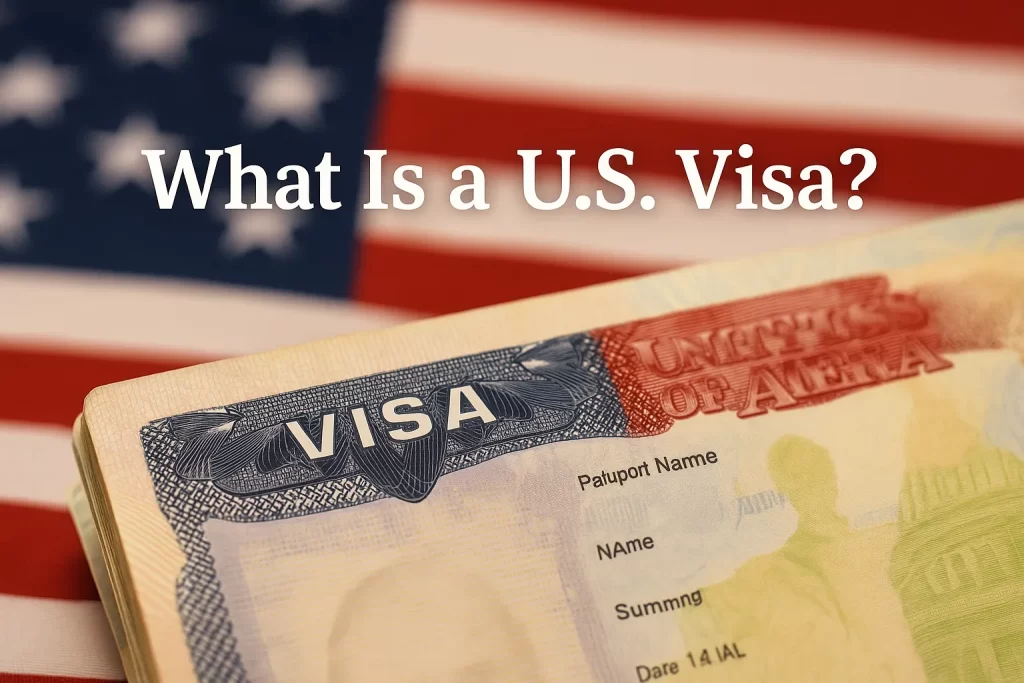
A visa is your official permission to approach the “front door” of the United States. It’s not a guarantee you’ll get in — it’s more like an invitation. When you apply at a U.S. Embassy or Consulate abroad, you’re asking for the right to travel to a port of entry and request admission. That little sticker in your passport carries huge weight, but it’s easy to misinterpret.
There are two broad categories of visas: immigrant visas and nonimmigrant visas. An immigrant visa is for those who plan to settle permanently, like a spouse of a U.S. citizen or someone coming through the diversity visa lottery. A nonimmigrant visa, on the other hand, is temporary. Think students on F-1 visas, tourists with B-2 visas, or workers on H-1B visas.
One mistake I’ve seen people make? Believing that as long as their visa is “valid” — meaning the printed expiration date hasn’t passed — they can stay in the U.S. Wrong. The visa only lets you knock on the door; once you’re inside, a completely different set of rules takes over: your status.
Another important detail: visas can be single-entry or multiple-entry. A multiple-entry visa allows you to come and go during its validity period, while a single-entry visa is a one-shot deal. This can cause real headaches for travelers who plan to leave the U.S. for holidays or business trips and think they can return freely.
So while a visa opens the gate, it doesn’t decide what happens once you cross the border. That’s where immigration status steps in.
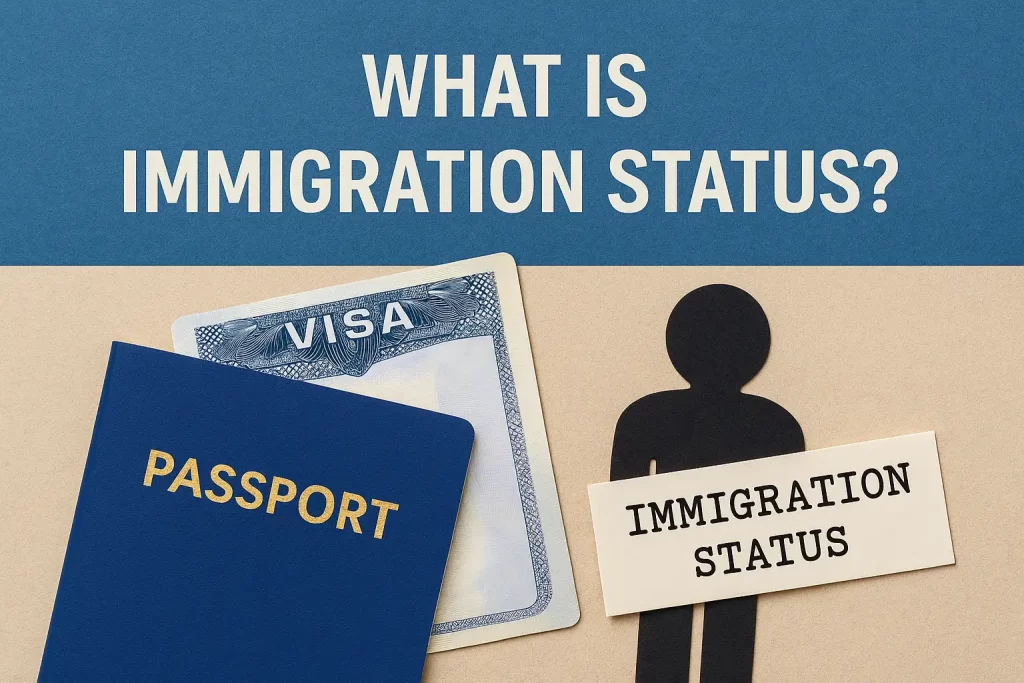
Immigration status is your actual legal classification inside the U.S. It’s not the sticker in your passport — it’s the invisible label the U.S. government gives you after you’re admitted. You’ll see proof of it in your I-94 record, which shows the type of status you were granted and how long you can stay.
Here’s the key: status is granted by Customs and Border Protection (CBP) when you arrive, or by U.S. Citizenship and Immigration Services (USCIS) if you change or extend it later. That means even if your visa says “F-1 student,” CBP could decide to admit you under different terms or even deny entry altogether.
Your immigration status comes with conditions. A student must remain enrolled full-time. A tourist can’t work. An H-1B worker can only work for the employer who sponsored them. Break those conditions, and you risk falling “out of status” — which can trigger big problems, from future visa denials to bans on reentry.
Another nuance? Status often lasts longer than the visa. For example, a student visa may expire in your passport after two years, but your student status could continue as long as you stay enrolled and maintain requirements. On the flip side, you could hold a 10-year multiple-entry visa but lose your status in the U.S. if you overstay your I-94 or violate your terms.
Understanding this difference is crucial. Immigration status is what protects you from being unlawfully present in the U.S., not your visa. Always check your I-94 — not just the stamp in your passport.
At this point, you might already see the picture: visas and status are connected, but they’re not interchangeable. Here are the main contrasts, broken down clearly:
Think of it like a concert. 🎶 The visa is your ticket to get through the stadium gates. Once inside, your status is where you’re allowed to sit, how long you can stay, and what rules you must follow. Having the ticket doesn’t stop security from escorting you out if you break the rules.
These differences might sound subtle, but in immigration law, they can be the deciding factor between smooth travels and serious legal trouble.

If there’s one thing U.S. immigration law is famous for, it’s the fine print. And the difference between visa and immigration status is one of those details that can change your entire future in the U.S. — no exaggeration.
The first reason it matters: overstaying your status is far more serious than overstaying your visa. Imagine you enter the U.S. on a tourist visa that’s valid for 10 years. CBP officer at the airport stamps your I-94 and gives you six months to stay. If you ignore that date and remain for a year, it doesn’t matter that your visa is still “valid.” You’ve overstayed your status. And that violation can trigger a 3-year or 10-year reentry bar, depending on how long you remained unlawfully.
Second, your status controls your legal rights while you’re in the U.S. A student in F-1 status can work part-time on campus, but not full-time at a company downtown. A tourist in B-2 status cannot enroll in a degree program. If you act outside the scope of your status, you risk being classified as “out of status.” Once that happens, you lose your legal protections and might even be placed in removal proceedings.
Third, immigration history sticks with you. USCIS and CBP track everything electronically — visa issuances, entries, exits, I-94s, even small violations. Future applications for work permits, green cards, or even just a new tourist visa can be denied if your record shows you overstayed or violated status. In fact, consular officers are trained to scrutinize your compliance history before approving anything new.
Here’s a real-world example: I knew a student who thought her visa expiration date was her deadline to leave. She stayed two months past her I-94, convinced she was still fine. Later, when applying for an H-1B, she was shocked to find out she’d triggered unlawful presence. That one mistake followed her for years.
So why does this distinction matter? Because immigration isn’t just about getting in. It’s about staying in compliance once you’re inside. Knowing the difference between visa and status could be the factor that saves you from stress, lost opportunities, and costly legal battles.
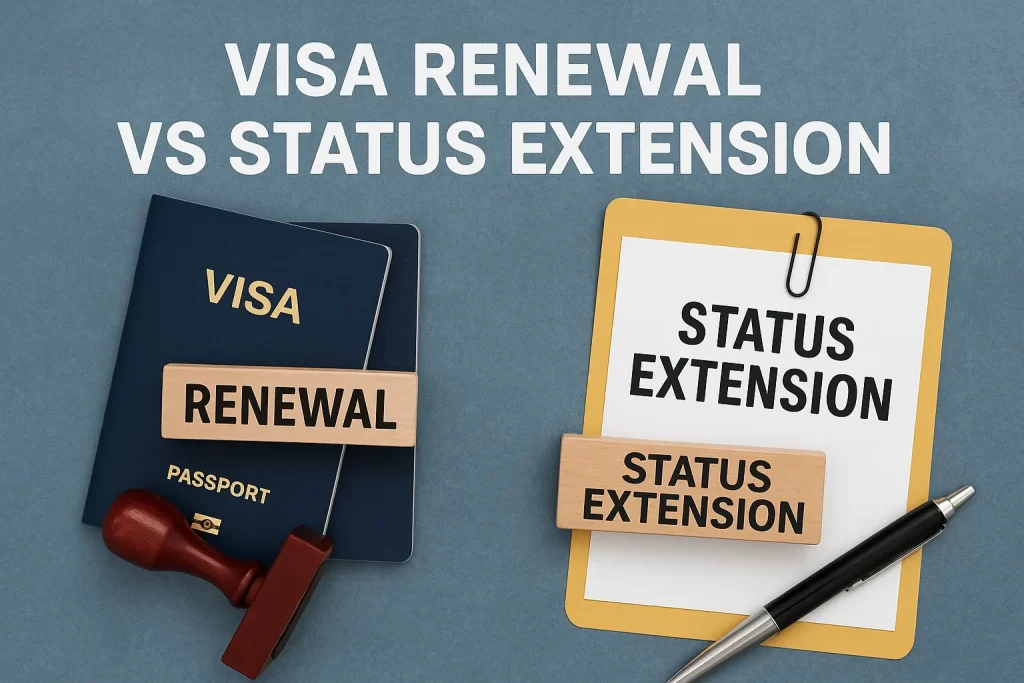
One of the trickiest parts of U.S. immigration is figuring out whether you need to renew your visa, extend your status, or both. They sound similar, but the process — and the government agency involved — is completely different.
A visa renewal happens outside the U.S., usually at a U.S. Embassy or Consulate in your home country (or sometimes a third country). For example, if your F-1 student visa expires and you want to travel abroad and return later, you’ll need to apply for a new visa sticker in your passport. This means filling out a DS-160, paying the visa fee, attending an interview, and waiting for approval. The Department of State handles this process.
A status extension, on the other hand, takes place inside the U.S. You don’t go to an embassy. Instead, you file a request with USCIS — usually Form I-539 for tourists and students or Form I-129 for workers. If approved, USCIS will issue you a new I-94 record showing your extended period of stay. No new visa sticker will appear in your passport. That means if you later travel abroad, you’ll still need a valid visa to reenter.
Here’s the catch: you can extend your status without renewing your visa. For instance, let’s say you’re on an H-1B visa. Your visa in your passport has expired, but you’re still in the U.S. and your employer files an extension. USCIS approves it, and your I-94 shows you’re still in valid status. You can keep living and working in the U.S. without a problem. But if you travel abroad, you’ll need to visit a consulate to renew the visa before returning.
Flip side? Renewing a visa does not automatically fix your status. If you overstayed your I-94, even with a shiny new visa, you’d still be out of status inside the U.S. That’s why people often get confused. One deals with entry, the other with your continued stay.
Practical tip: Always track two dates — the visa expiration date in your passport and the I-94 expiration date for your status. If you’re thinking about staying longer than planned, talk to an attorney early and file an extension request well before your status runs out.
In short, think of it like this:
They overlap, but they’re not interchangeable. Knowing the difference can save you from serious travel headaches.
This is where confusion really kicks in. Let’s break down some of the situations that trip people up most often — and clear up the myths once and for all.
Quick takeaway: Your visa is just the key to get in. Your status is the rulebook for how you stay. When in doubt, always check your I-94 and know the terms tied to your situation.
If there’s one thing you don’t want to mess with in the U.S., it’s your immigration record. Staying compliant might sound stressful, but with a few habits, you can protect yourself from major headaches down the line.
The bottom line: staying compliant isn’t about memorizing laws. It’s about staying organized, double-checking dates, and respecting the terms of your status. A little attention today can save you from years of immigration stress tomorrow.
So, here’s the big takeaway: a visa is your entry ticket, and your immigration status is the rulebook for staying in the U.S. They’re connected, but they are not the same — and mixing them up can lead to mistakes that affect your future immigration plans.
Remember, your visa is issued abroad by the Department of State, while your status is granted inside the U.S. by CBP or USCIS. Your visa lets you knock on the door, but your status decides how long you can stay and what you’re allowed to do. Lose sight of that, and you could fall out of status even while holding a valid visa.
To protect yourself:
The U.S. immigration system may feel complicated, but knowledge is power. Understanding the difference between visa and immigration status is like knowing the rules of the game before you play — it doesn’t guarantee success, but it helps you avoid losing by mistake.
If you’re ever unsure, don’t guess. Check your I-94, look at the USCIS website, or speak with an experienced immigration attorney. It’s always better to ask questions now than to fix problems later.
👉 Bottom line: Your visa gets you in. Your status keeps you in. Master both, and you’ll save yourself stress, money, and opportunities in the long run.
Immigration rules can feel like a maze, and honestly, no one figures it all out overnight. If you’re serious about protecting your status and making smart decisions, the best thing you can do is keep learning and checking reliable sources. Here are a few trusted ones to bookmark:
Why does further reading matter? Because immigration law is always evolving. A rule that applied last year might not be valid today. Staying informed is your best defense against costly mistakes. Plus, you’ll be more confident when talking to CBP officers, USCIS, or even your employer about your situation.
If you only remember one thing from this guide, let it be this: your visa is your entry pass, your status is your legal lifeline — and keeping track of both will save you endless stress.


